How lead paint changes the way a Redding house is torn down
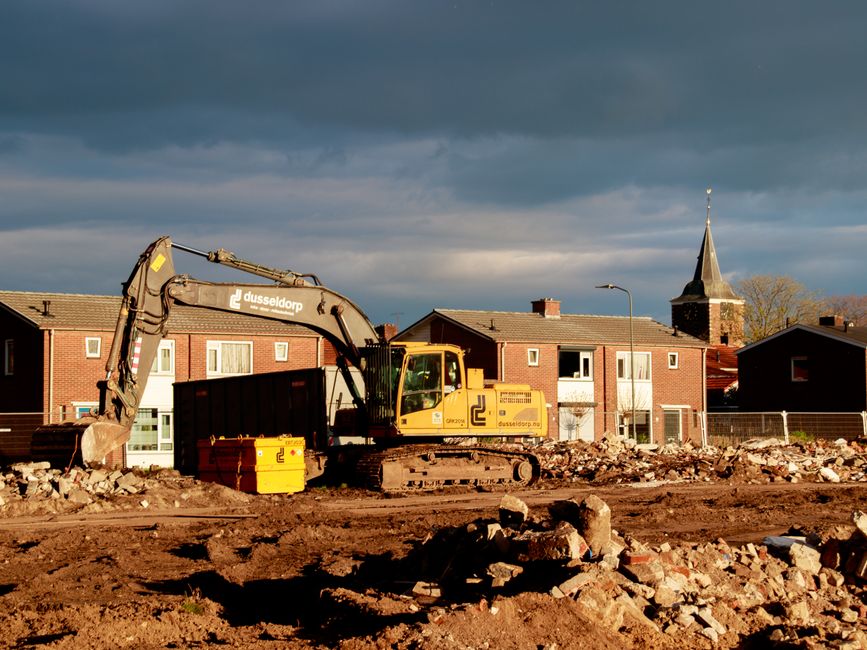
Lead paint does one job in a demolition plan: it turns ordinary scrap into regulated waste once the paint is chipped, ground or burned. Work booked through redding demolition contractor clytemnestra project in Redding, CA is planned around that fact whenever the house predates the late seventies and the siding has been repainted many times.
Where lead hides on an old house
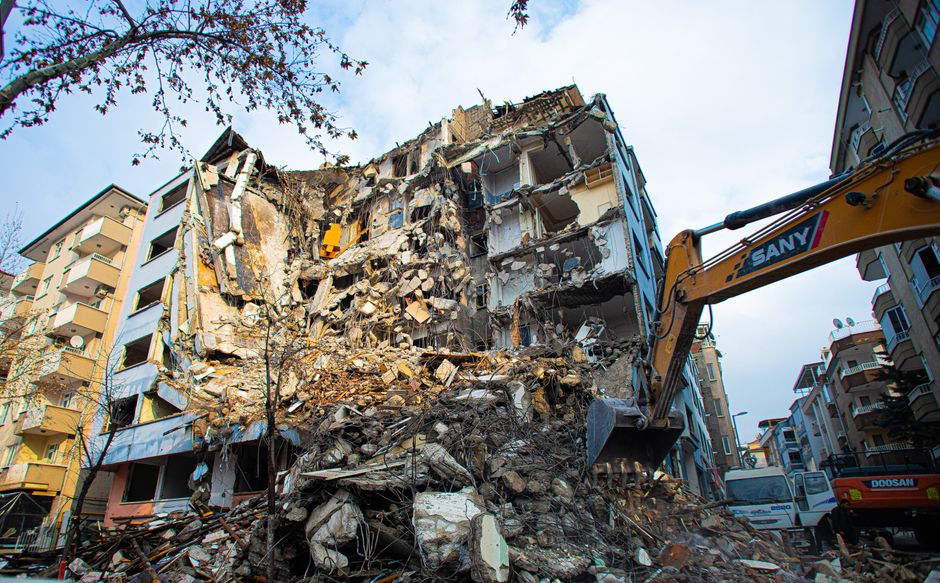
Window trim, door casings, porch columns, fascia and the weathered siding on the sunny side of the house carry the thickest layers. Years of Redding sun bake the paint until it chalks, and the chalk is the first thing to blow around when an excavator pulls a wall. Interior paint over plaster and lath can carry it too, though less often.
Testing before anyone swings a tool
A swab kit gives a quick answer on a single spot, and a lab test of paint chips gives a firm one. The result decides whether the painted pieces can be loaded with the rest of the wood or have to be kept apart. Sampling five or six painted surfaces around the house is normal, and the report goes into the job file.
Dust control with the equipment
The crew wets the structure with a hose or a misting cannon before and during demolition, and the operator works from the top down so the dust falls inside the footprint. In the dry Shasta County summer the water truck runs all day. Wind off the hills near Whiskeytown Lake can carry a dry plume across a property line, so a gusty afternoon stops the work.
Handling the debris
Painted lumber, drywall, stucco and the concrete footing from a lead painted house are sorted by the hauler's rules. Some loads go to a landfill that accepts lead painted debris, and some can be recycled once the paint is stripped. Metal scrap such as gutters and flashing is pulled out clean and kept separate.
Cleanup of the lot
After the last load leaves, the crew runs a magnet and a rake over the ground and wets the soil one more time. Soil near the old siding line can hold paint chips, so the sample is taken there. A lot that passes can be graded flat and handed back, ready for a new foundation. Crews wash their boots and gloves before leaving the lot, and work clothes stay on site until they are bagged. Nobody eats or drinks inside the fence line while painted material is being moved.