How Redding summer heat and fire season shape demolition timing
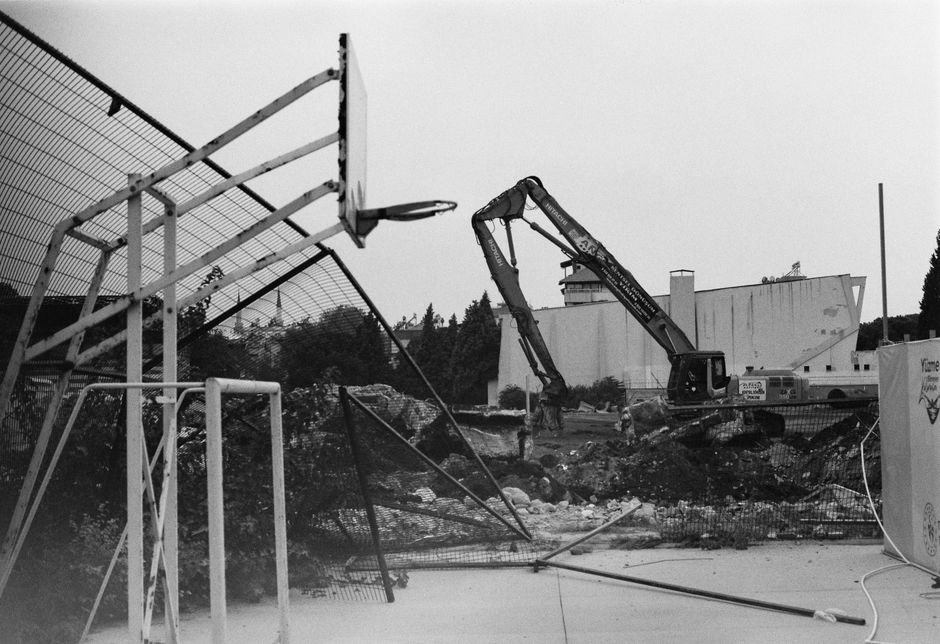
The hiss of a pressurized water hose and the smell of hot dust are what a Redding teardown sounds and smells like from June through September. The figures kept at redding demolition contractor clytemnestra project show that a demolition contractor in Redding, CA shifts the workday earlier, because the afternoon heat and the fire rules take hours off the machines.
Starting at first light
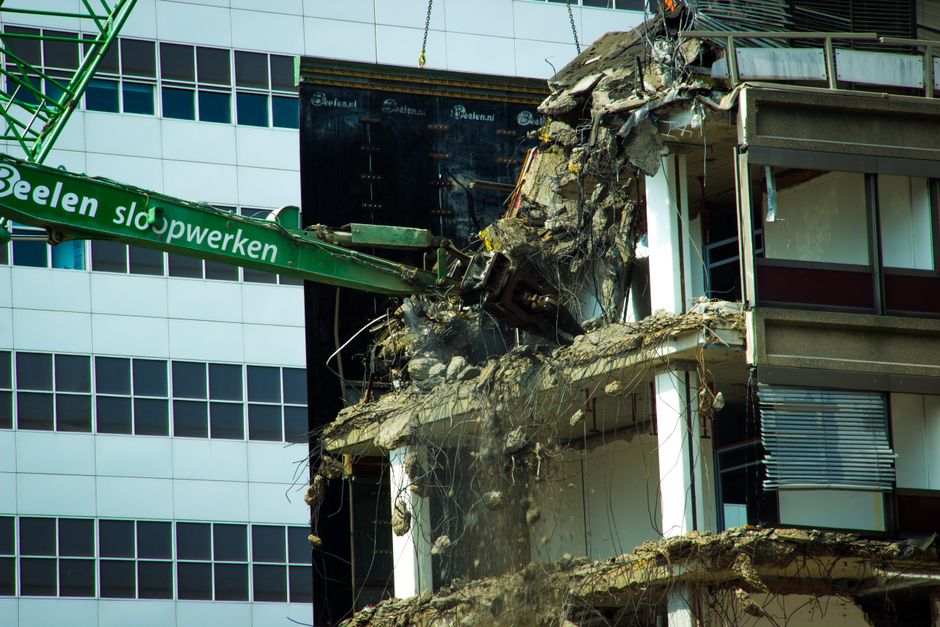
Operators begin at daybreak, when the air is still cool and the dust settles. By early afternoon the temperature in the valley often passes one hundred degrees, and hydraulic oil in an excavator runs hot enough to slow the machine. The crew breaks for the afternoon and finishes loading debris after the worst of it passes.
Why dust control gets heavier in summer
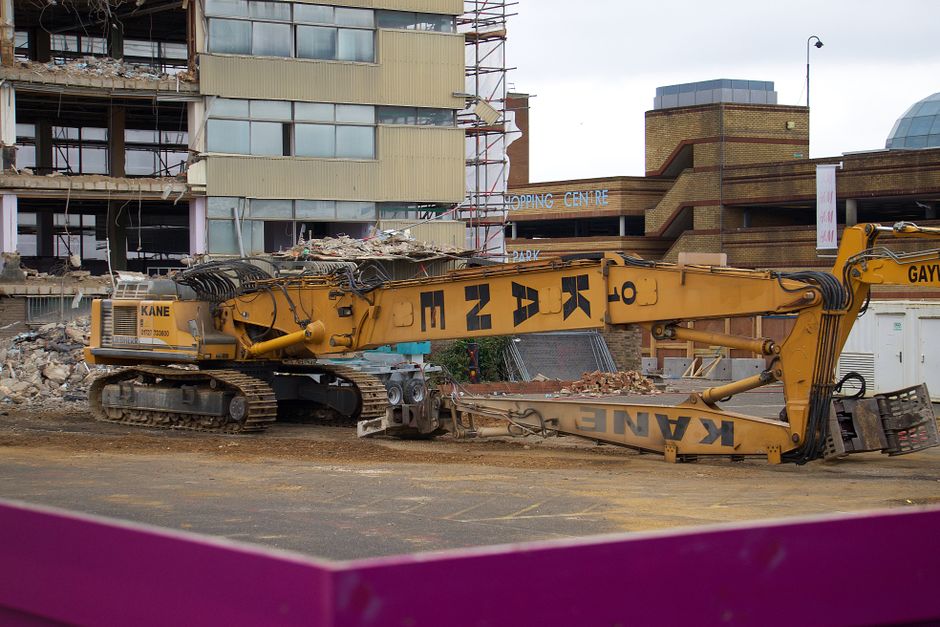
Dry plaster, drywall and concrete dust lift off the pile at the smallest breeze. A water truck or a hose line wets the debris at every stage, and the operator sprays as the bucket drops a wall section. The water has to be arranged ahead of time, since a hydrant meter or a tank on a trailer both need setup.
Fire season and cutting tools
A skid steer with a steel bucket, a jackhammer on a concrete slab and a sawzall on rebar all throw sparks. Dry grass around a lot near Palo Cedro or the hills west of Interstate 5 catches fast. On high fire danger days the crew carries a charged water line, a shovel and a fire extinguisher on the machine, and spark making work is held until the evening or the next morning.
Smoke days and air quality
When wildfire smoke settles into the valley, dust masks and respirators are required for anyone on foot, and the crew limits the hours. A smoke heavy day also hides small flames from view. Work that disturbs hazardous material, such as asbestos or lead paint, may be postponed until the air clears.
The shoulder months
October and April offer the best conditions: firm ground, cooler air and few fire restrictions. Winter rain turns a bare lot into mud that the mini excavator cannot cross. Most teardown schedules in Shasta County aim for those shoulder months and fall back to early summer mornings when a deadline forces the date. Crews also carry extra water and shade for themselves, since heat exhaustion slows a job faster than a broken hose. A cooler schedule and a firm lot make the work safer and quicker.