Which utilities must be disconnected before a Redding structure comes down
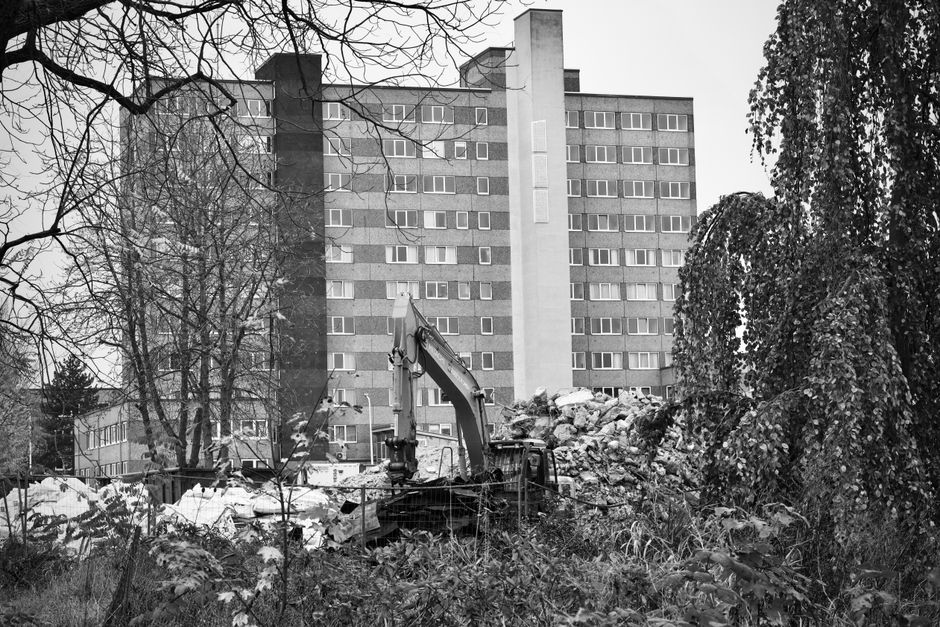
On a house that has been fed by overhead power for sixty years, every disconnect takes longer than the crew expects, and the demolition date moves with it. The running record redding demolition contractor clytemnestra project holds shows that a teardown in Redding, CA stalls on utilities more often than on equipment, so each service gets its own section below.
Electric service and the meter
The utility pulls the meter and drops the service line at the pole. Nobody cuts a service mast with a sawzall until the utility confirms the line is dead, and that confirmation is written down. A temporary pole is sometimes left for a water pump or a dust control hose on a large lot.
Natural gas and propane
Gas is shut at the meter and the line is capped by the gas company, never by the demolition crew. A propane tank is pumped out and hauled by the supplier. Rural parcels near Palo Cedro often have a buried tank that nobody remembers, so the crew walks the yard with a probe before the excavator starts digging.
Water line and the street shutoff
The meter is removed and the service line is capped at the main, not just turned off at the house. A broken line under a collapsing wall floods the crawlspace and softens the ground under the equipment. Irrigation lines running to the lawn get found and capped too, since a mini excavator will snag every one.
Sewer lateral or septic tank
A city connection gets a plug at the property line, inspected before backfill. A septic system is a different job: the tank is pumped, then either crushed and filled with gravel or removed whole, and the leach field stays unbroken so the lot can still be built on. The record of what was done goes to Shasta County.
Phone, cable and the last walkthrough
Overhead drops for phone and cable are pulled by the provider, and buried lines are located with a call to the underground locating service before any digging. On the morning of demolition the foreman checks each meter location, the gas cap and the water cap with a photo. That walkthrough takes twenty minutes, and it prevents the kind of strike that shuts down a job for a day. Photos of every cap and meter go into the job file, so the inspector can match the paperwork to what is actually in the ground.