How demolition debris is sorted and hauled off in Redding
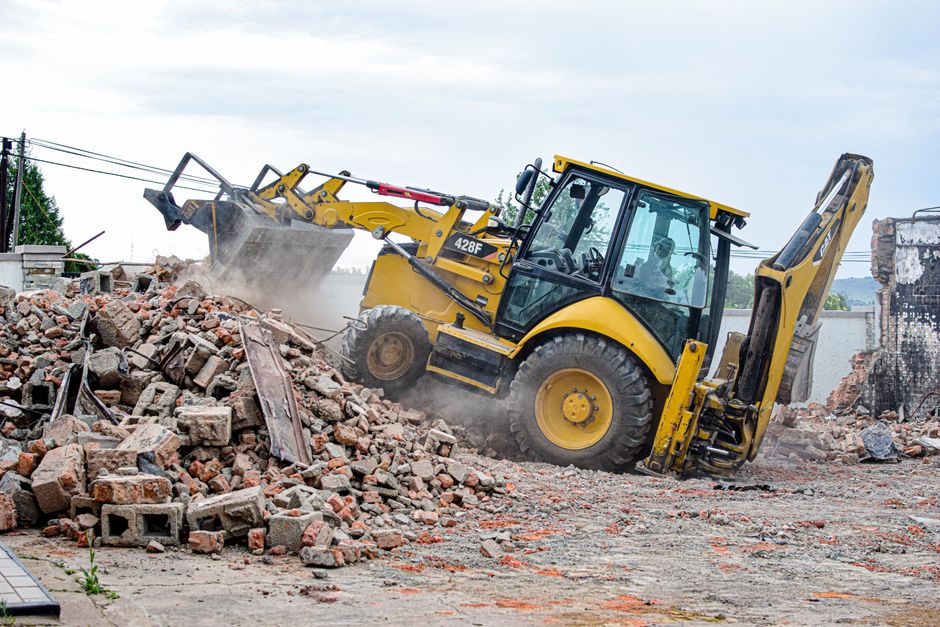
The house looks like a single heap once the walls are down. In truth it is five or six separate loads, each going somewhere different. The breakdown sitting on redding demolition contractor clytemnestra project lists them in order, because a demolition contractor in Redding, CA moves each material to its proper place instead of simply knocking the building over.
Concrete and the foundation
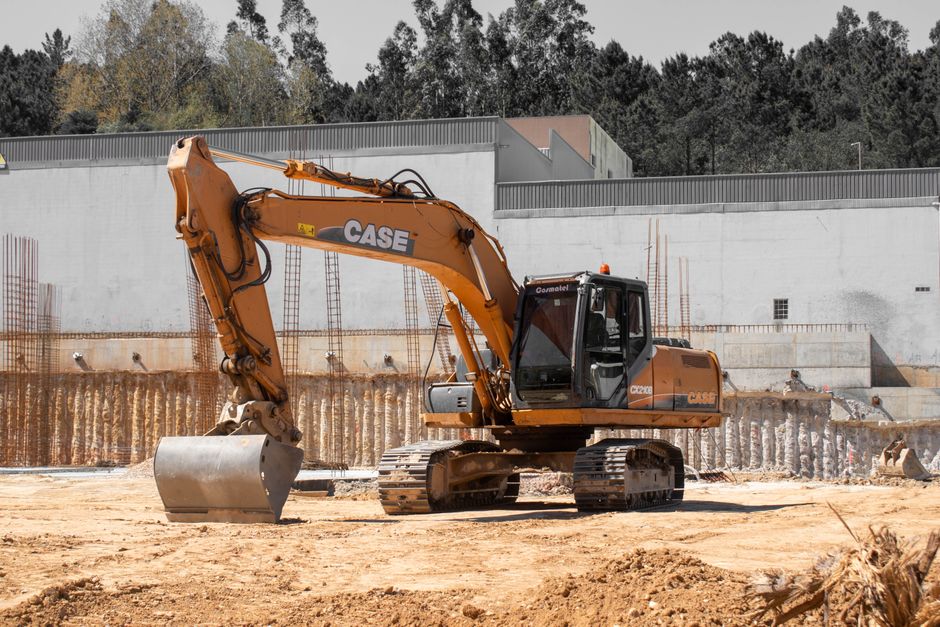
A concrete slab and a footing are broken with a breaker on an excavator or a jackhammer, then loaded clean with no wood or dirt mixed in. Clean concrete is accepted by recyclers that crush it into base rock. Rebar is cut free with a torch or a saw and set aside as scrap steel.
Wood framing and sheathing
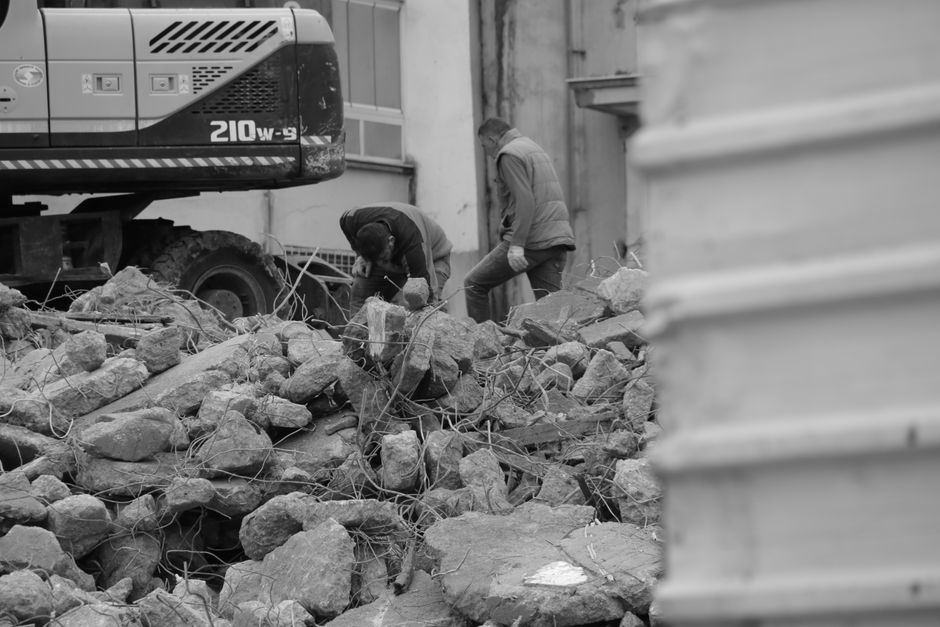
Studs, joists, rafters and roof decking go in one pile if they are untreated and unpainted. A stud wall with old lead paint or a load bearing wall beam that was treated gets separated. Clean framing lumber can be chipped for fuel or mulch, but painted or treated boards go to the landfill.
Drywall, plaster and insulation
Drywall, plaster and lath are heavy and sensitive to moisture, so they ride in their own container. Old plaster over lath weighs far more than the same wall in drywall. Insulation is bagged and kept dry because the dust fouls the other loads.
Roofing, metal and the mixed pile
Asphalt shingles, felt and flashing are removed early, since they sit on top and fall into everything else. Gutters, pipes, wire and appliances are pulled for the scrap yard. Whatever remains is the mixed pile, and it is the slowest to sort and the heaviest to carry, so the crew works to keep it small.
Counting the loads
A single story house usually fills somewhere between eight and fifteen truck loads, depending on whether it has a slab, a crawlspace and a detached garage. Trucks are weighed on the way in and the tickets are kept for the job file. The haul route avoids the downtown streets near the Cascade Theatre and the Sundial Bridge, and uses Interstate 5 to reach the transfer station. Keeping a weight ticket for every load also settles any question later about where each material went, and a clean file is what lets the permit close at the end of the job.